Missing teeth can affect more than just your smile—they can impact how you eat, speak, and feel about yourself. When it comes to tooth replacement, patients today have more options than ever before. The three most common solutions are dental implants, bridges, and dentures, each offering unique benefits and considerations. Understanding how these options compare can help you make an informed decision about your long-term oral health. With growing interest in dental implants, many patients are discovering why implants are often considered the most advanced and reliable solution.
Understanding Dental Implants
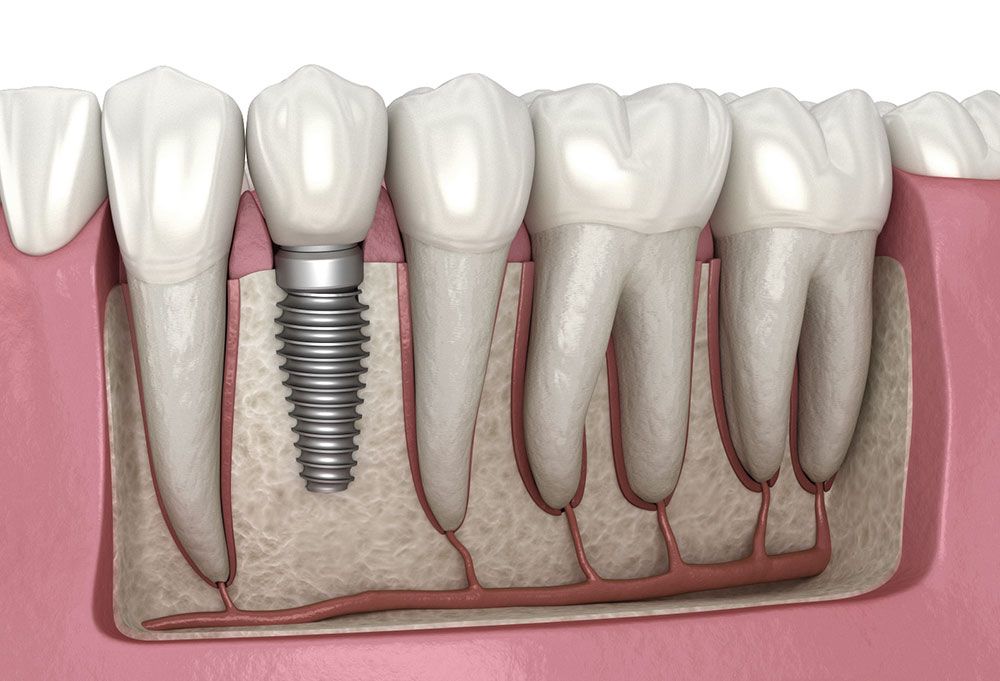
Dental implants are designed to replace both the tooth and its root. A small post is placed into the jawbone, creating a strong foundation for a crown, bridge, or denture. Over time, the implant integrates with the bone, providing unmatched stability.
Patients choosing dental implants in Frankfort often appreciate how closely implants mimic the look and function of natural teeth.
How Bridges Work
Dental bridges replace one or more missing teeth by anchoring an artificial tooth to neighboring natural teeth. While bridges can restore appearance and function, they rely heavily on adjacent teeth for support. This often requires reshaping healthy teeth, which may weaken them over time.
Compared to implants, bridges do not address bone loss beneath the missing tooth, which can affect facial structure in the long run.
Dentures: Traditional Tooth Replacement
Dentures have been used for decades to replace multiple or full arches of missing teeth. They rest on the gums and may be removable or fixed. While dentures can restore basic function, they often lack the stability of implants and may shift during eating or speaking.
For patients seeking a more secure alternative, dental implants provide significantly improved comfort and confidence.
Stability and Comfort Comparison
One of the biggest differences between implants, bridges, and dentures is stability. Dental implants are securely anchored in the jawbone, allowing patients to eat and speak without worry. Bridges offer moderate stability but depend on surrounding teeth. Dentures may move or require adhesives to stay in place.
Those considering full mouth dental implants in Frankfort often do so for the superior comfort and security implants provide compared to traditional dentures.
Impact on Jawbone Health
Jawbone preservation is a major advantage of dental implants. When teeth are missing, the bone begins to deteriorate due to lack of stimulation. Implants mimic natural tooth roots, helping maintain bone density.
Bridges and dentures do not provide this stimulation, which can lead to bone loss and changes in facial appearance over time.
Longevity and Maintenance
Dental implants are built for long-term success. With proper care, they can last for many years. Bridges and dentures typically require replacement or adjustment over time due to wear or changes in the mouth.
Patients who invest in dental implants in Frankfort often find them to be a cost-effective solution over the long term.
Aesthetic Results
Implants offer highly natural-looking results. The crowns placed on implants are customized to match surrounding teeth in color and shape. While bridges and dentures can look natural, they may not provide the same seamless appearance.
This makes implants an appealing choice for patients who value both function and aesthetics.
Conclusion
When comparing dental implants, bridges, and dentures, dental implants stand out for their durability, stability, and ability to preserve jawbone health. While bridges and dentures remain viable options for some patients, implants offer a more permanent and natural-feeling solution. For those exploring dental implants, including advanced options like full mouth dental implants in Frankfort, implants provide a modern approach to restoring smiles with confidence, comfort, and long-term oral health in mind.